
Early support. Before stress becomes crisis.
The Lavender Initiative creates trauma-informed prevention and early-intervention support for the people who spend their lives helping everyone else.
From healthcare professionals and veterans to first responders and other helping professionals, we are building accessible opportunities to decompress, connect, navigate support, and intervene earlier.
THE PROBLEM
What things can we start earlier?
People working in high-stress helping professions routinely encounter trauma, grief, moral distress, burnout, cumulative stress, staffing pressures, and the expectation that they will simply keep going.
Traditional systems often become most visible after someone is already struggling.
We are developing practical, accessible interventions that meet people closer to the moment stress occurs, creating space for decompression, human connection, peer support, resource navigation, and follow-through before problems escalate.

For our founder Angelica Tucker, this work is personal.
MEET OUR FOUNDER
Her experience across military service, healthcare, trauma, and recovery gave her a firsthand understanding of what happens when people who spend their lives caring for others don't get support early enough, before cumulative stress turns into crisis.
The Lavender Initiative grew from that conviction: that support should come before the breaking point, not after it. What that looks like in practice is a model built around decompression, peer connection, and early intervention, delivered directly where the people who need it already are.
Selected Poster Presenter, 2026 VNA/VNF Nursing Impact Summit
The People Who Care for Everyone Else
WHO WE SERVE
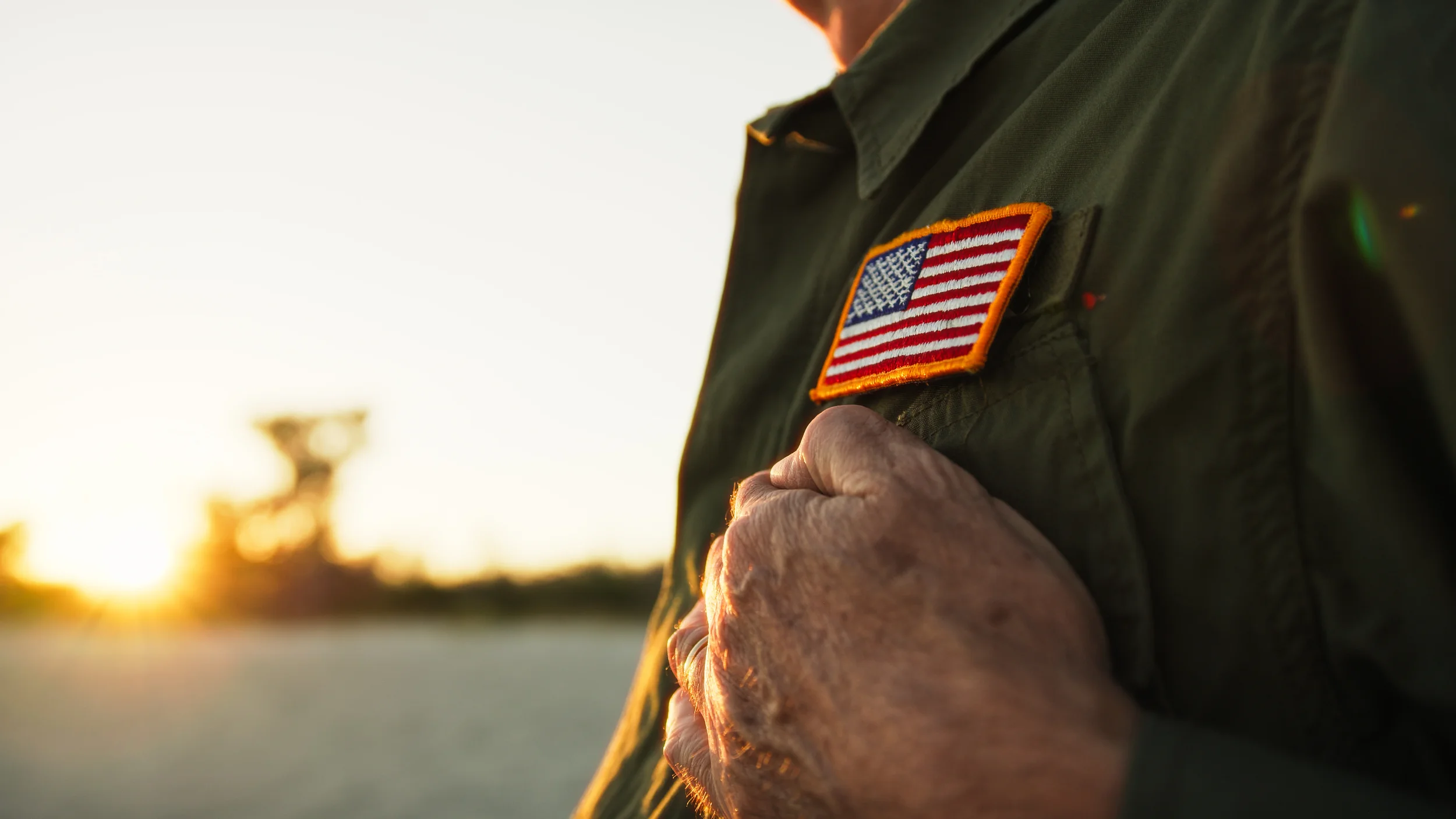
Veterans
Those who served and carry experiences that don't simply end when service does.
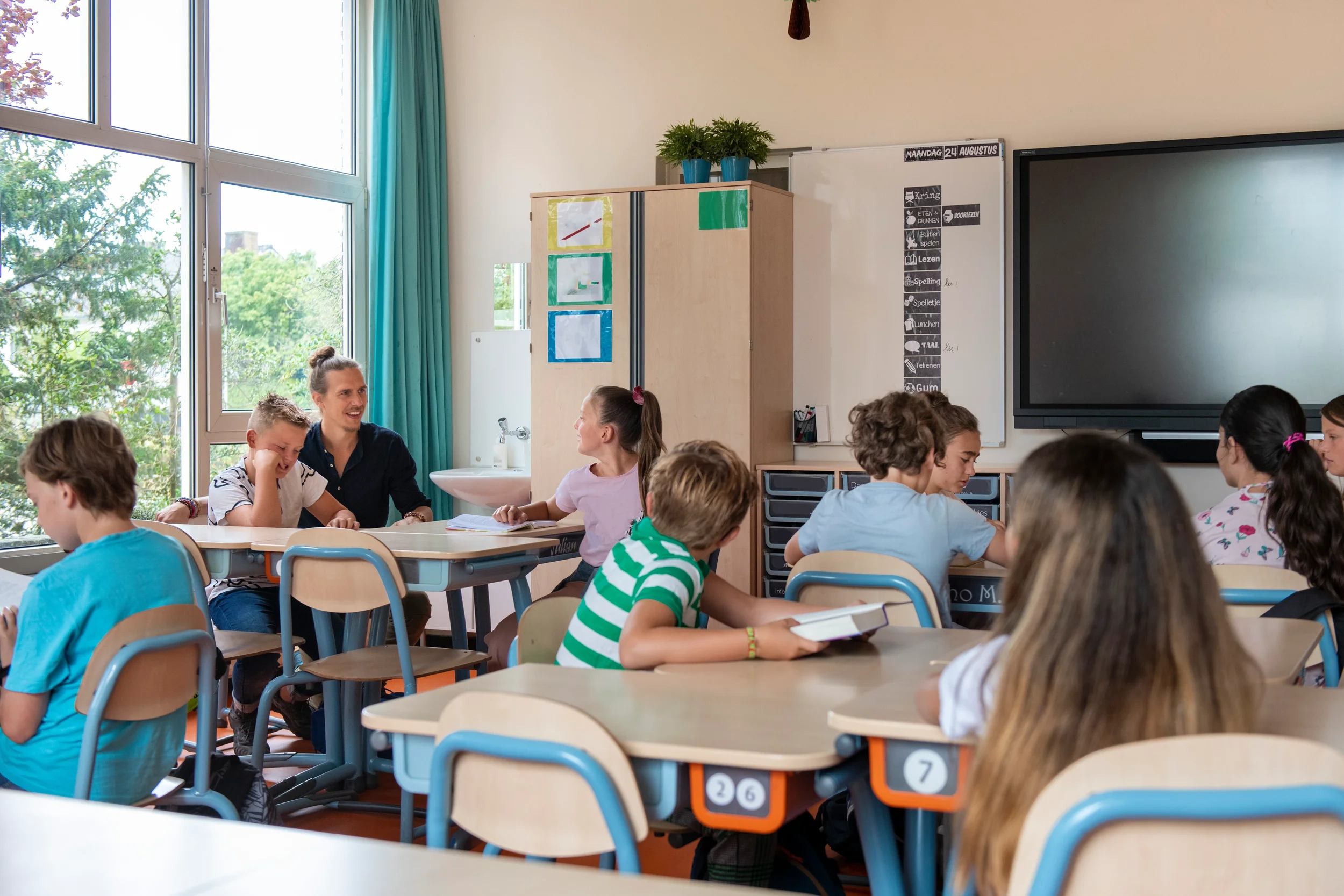
Educators absorbing the emotional weight of the students and families they serve.
Teachers
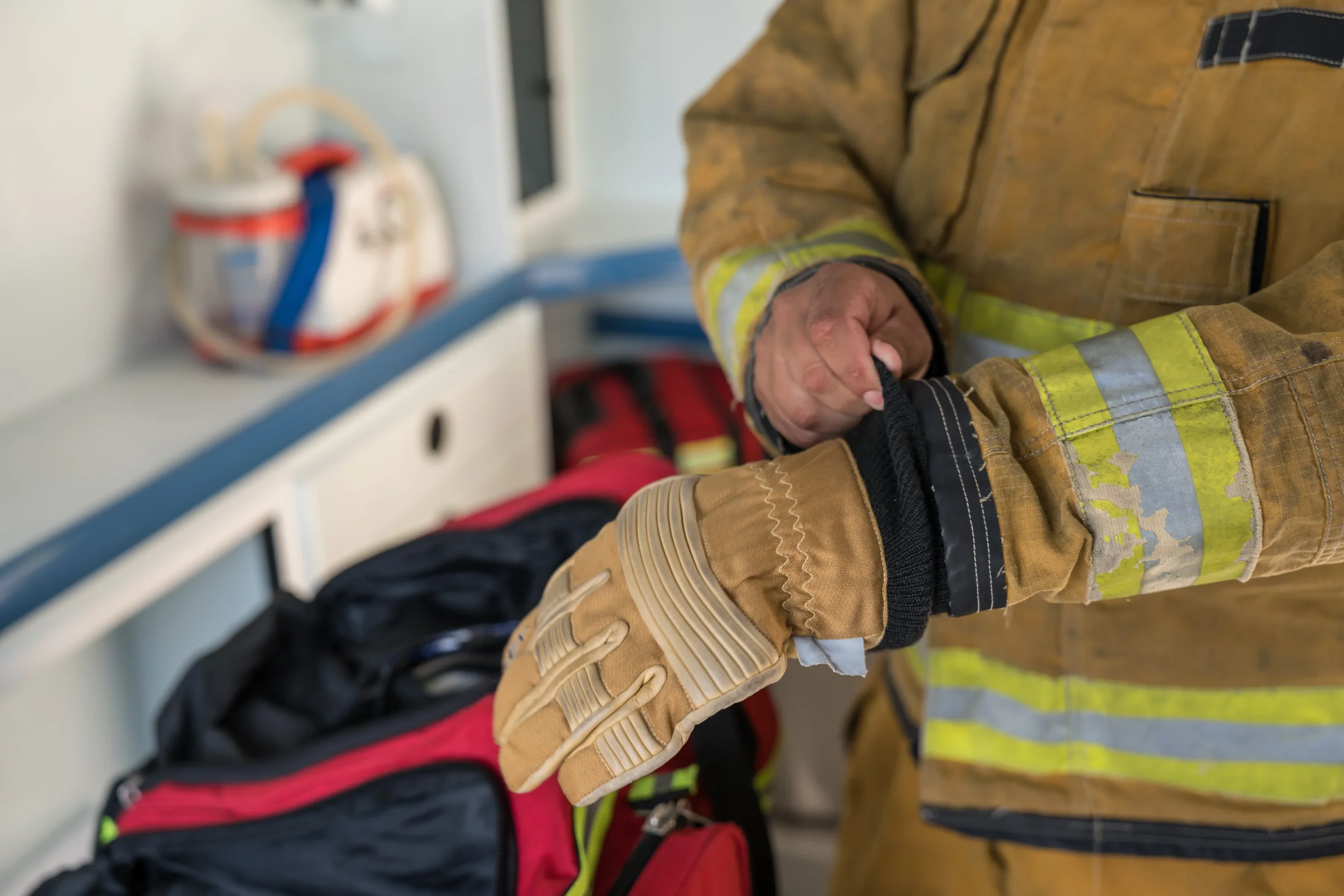
EMS, fire, and law enforcement, routinely first on scene at someone's worst moment.
First Responders
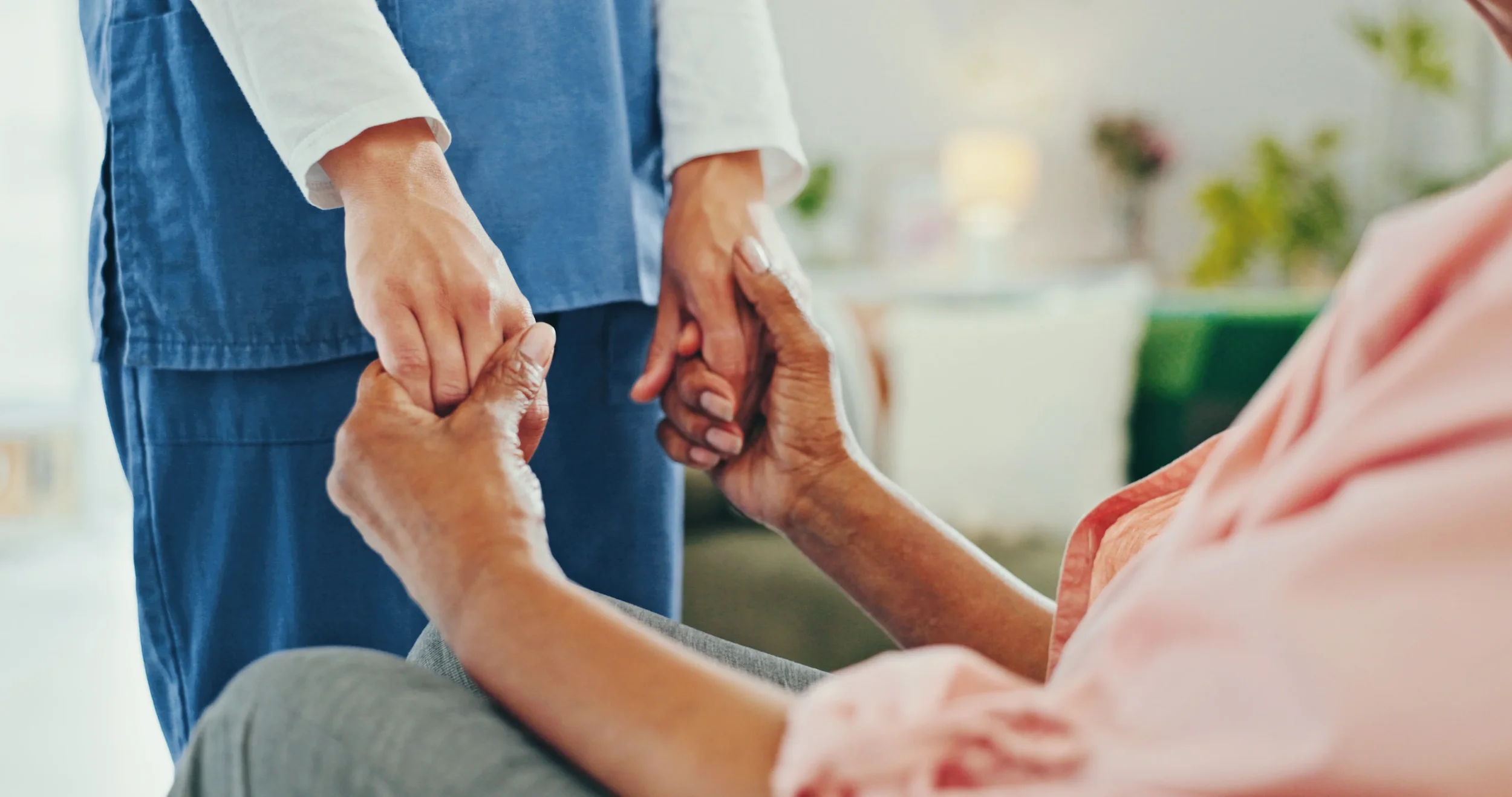
Those supporting aging parents, ill family members, or loved ones with complex needs.
Caregivers

Nurses, physicians, and clinical staff carrying the daily weight of trauma, loss, and high-stakes decisions.
Healthcare Professionals

Other High-Stress Helping Professionals
Anyone whose work means carrying other people's crises as part of the job.
One Model. Built to Meet People Where They Are.
WHAT LAVENDER DOES

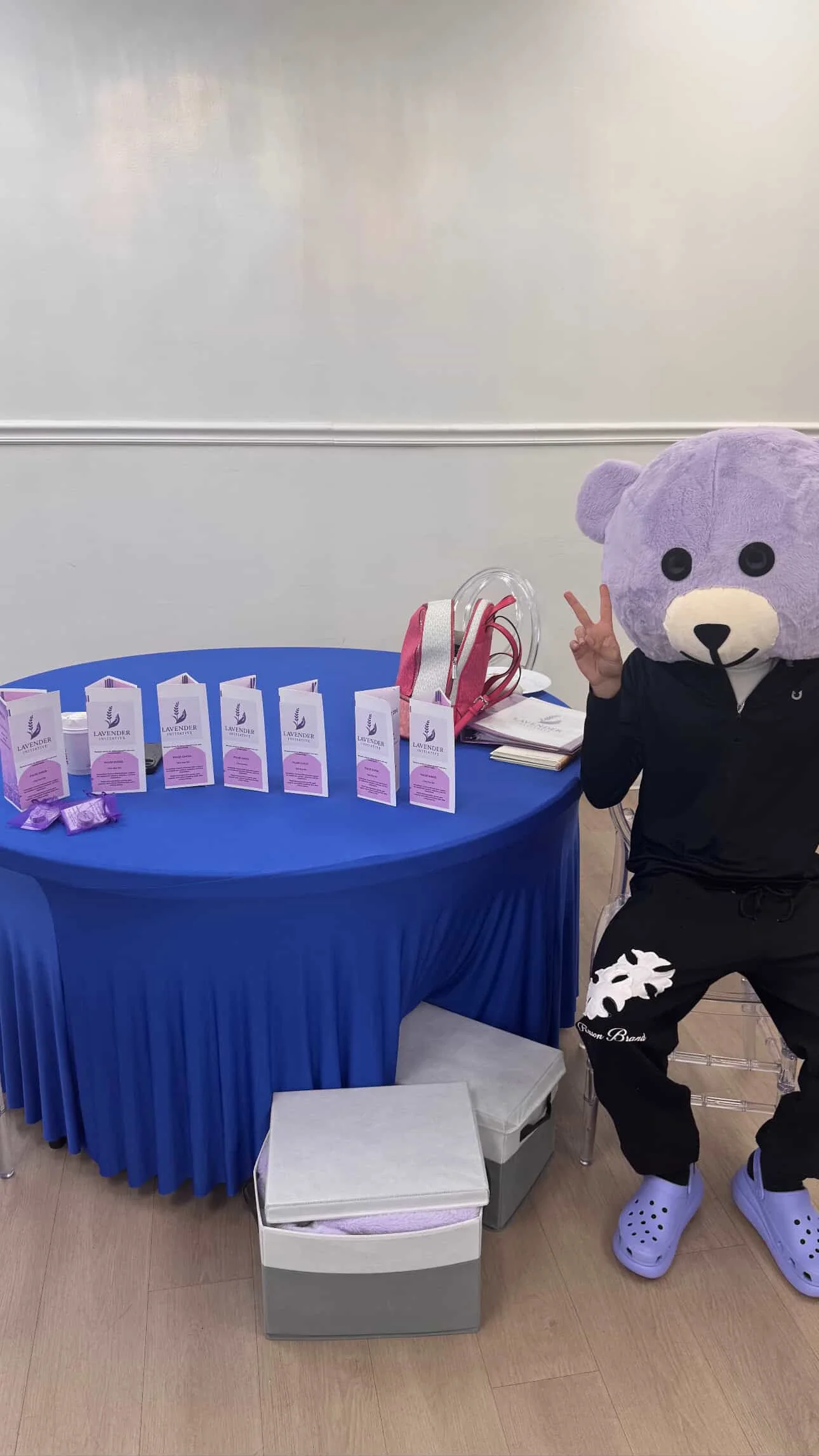
Meet our mascot and reminder that everyone, even the helpers, deserves a moment to just breathe.
Code Lavender-style response and peer support:
Immediate human connection and decompression following stressful or traumatic events.
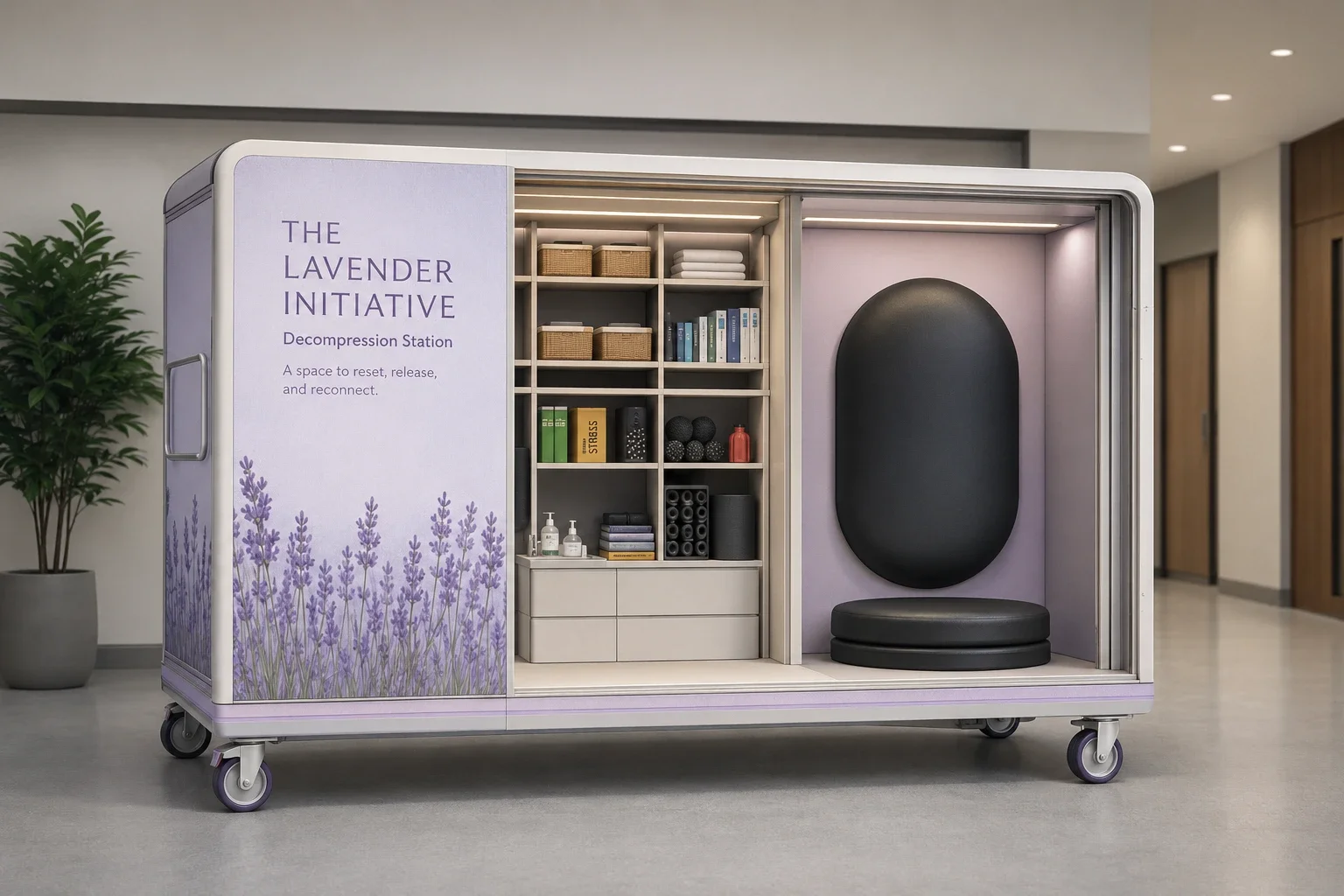
Mobile Rapid Decompression Cart
A mobile, trauma-informed decompression and peer-support platform designed to bring practical tools and early support directly into high-stress workplaces. The first proof-of-concept is currently in development and will help inform future engineering and scalable product design.
A dedicated space where people can briefly step away, regulate, decompress, and reconnect.
Rapid Decompression Room
Structured check-ins designed to help identify needs earlier and create pathways to appropriate support.
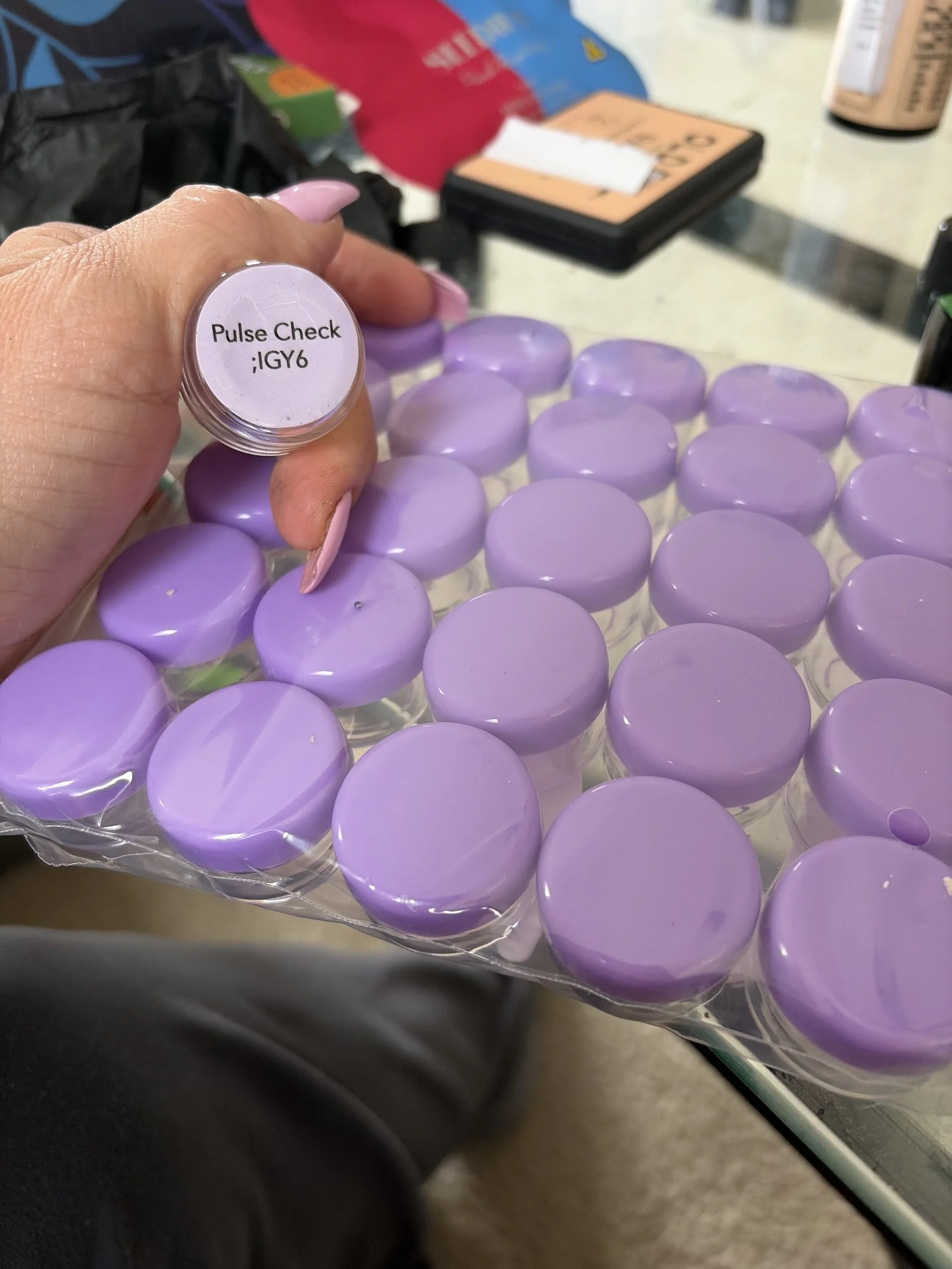
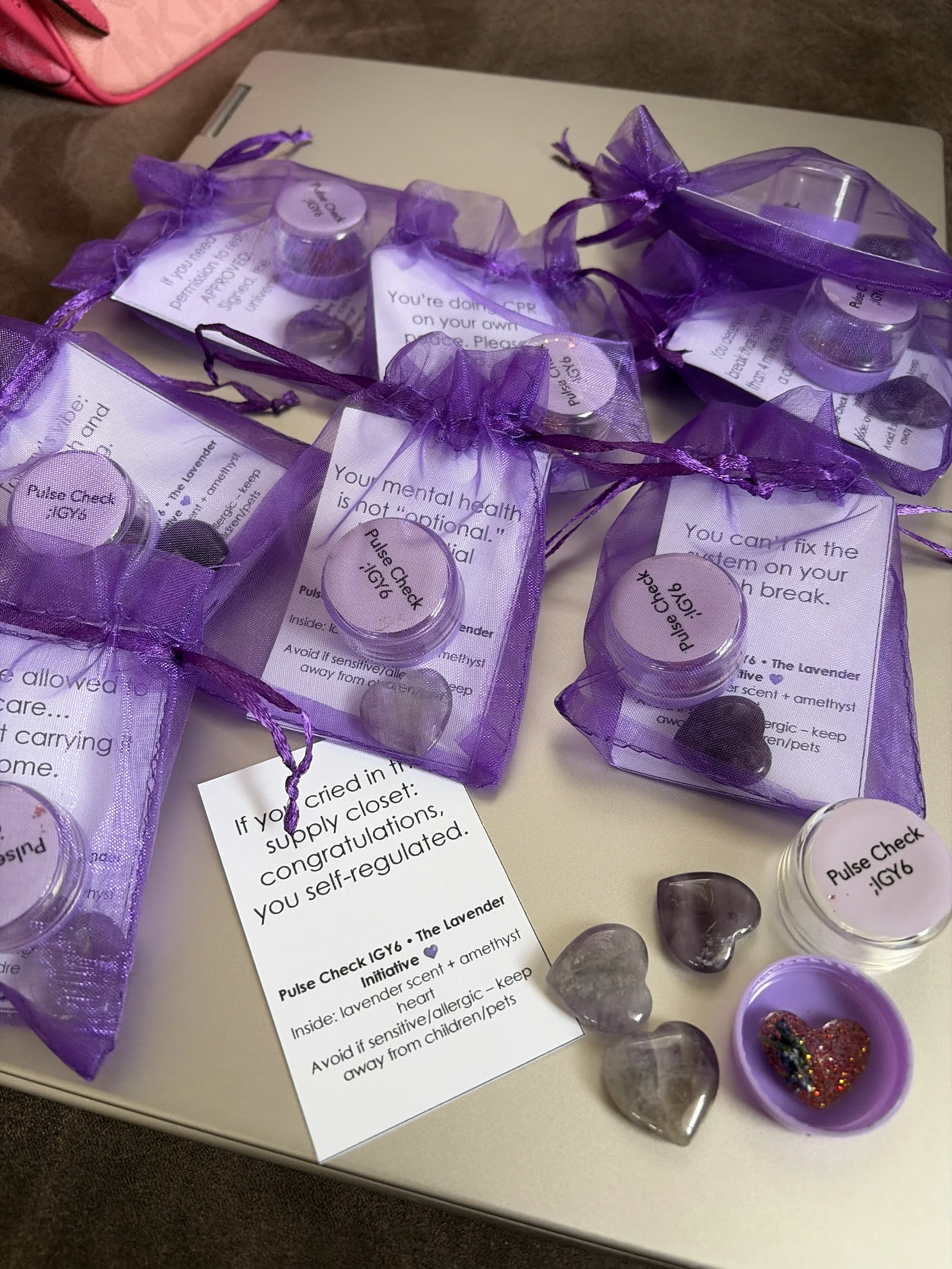
PulseCheck IGY6
Wellness and Resilience Partnerships
Collaboration with community and wellness partners to expand practical tools and accessible resources.
Resource Navigation and Follow-Up
Connecting people with appropriate resources and helping close the gap between identifying a need and actually receiving support.

WHAT WE'RE BUILDING NOW
From Concept to Real-World Testing
The Lavender Initiative is actively developing and testing its pilot model, including a proof-of-concept Mobile Rapid Decompression Cart built to explore how decompression, peer support, and follow-up work in real-world settings. This work is happening now, alongside the rest of the model, not waiting on a fully engineered product before piloting the intervention.
The goal is not simply to offer a wellness activity. The goal is to build a measurable prevention model that organizations can understand, evaluate, and eventually replicate.
WHY PREVENTIONS MATTER
The Earlier We Show Up, the More It Matters
Earlier support can change what happens next.
When stress and trauma are addressed earlier, there is an opportunity to reduce escalation and strengthen individual wellbeing, workforce resilience, connection to resources, retention and engagement, recovery, organizational culture, and long-term human and system outcomes.
Our goal is not to replace clinicians, EAPs, or existing organizational resources. It is to help create the human connective layer between the stressful event, recognition of need, connection to support, and follow-through.

FEATURED STORY
Angelica's Story, In Her Own Words
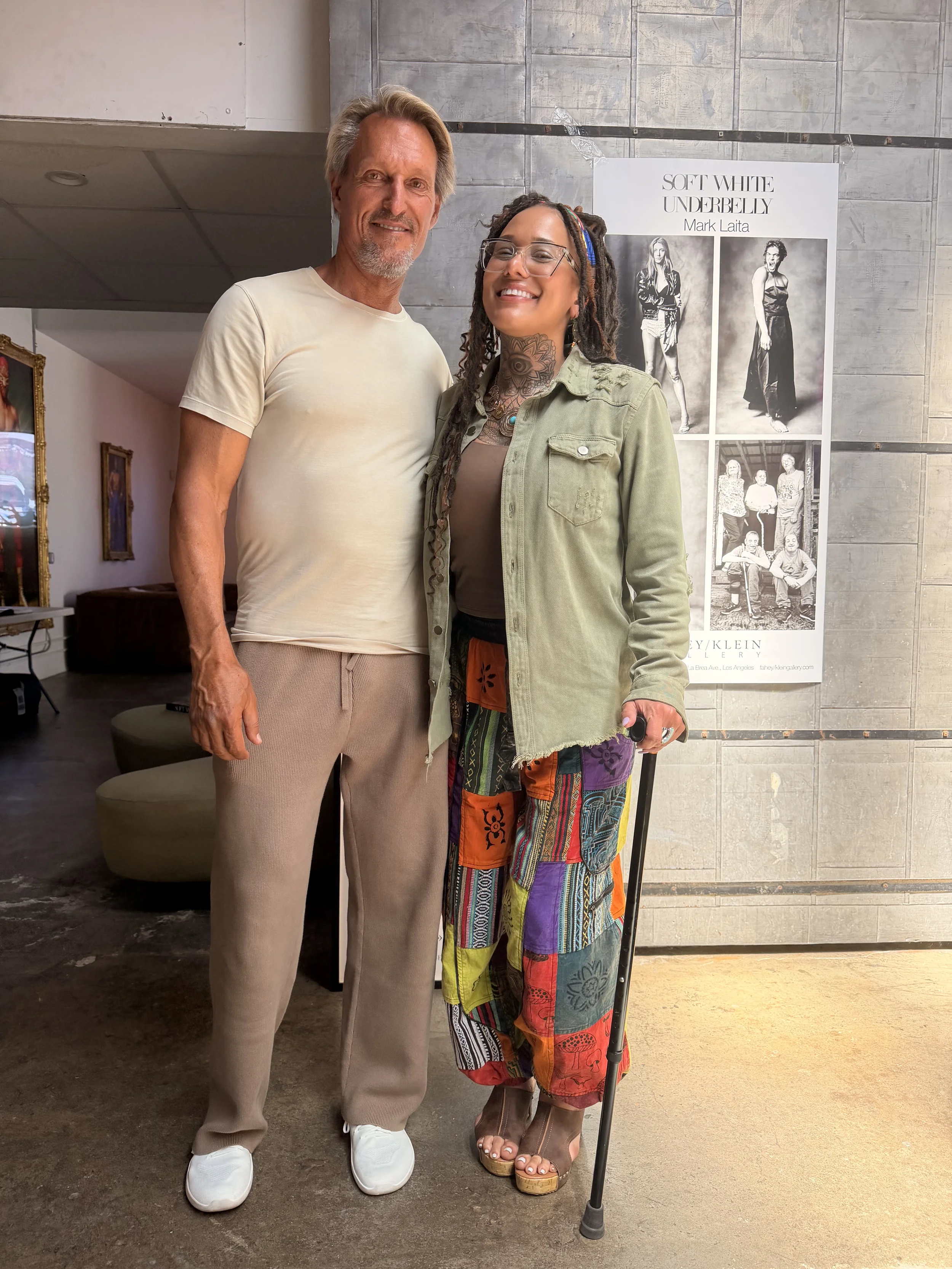
Angelica was featured on Soft White Underbelly, sharing more of the personal experience that shaped The Lavender Initiative. It's a deeper look at the story behind the mission, told in her own words.
Watch full video here
Let's Start the Conversation
GET INVOLVED
For Organizations, Facilities & Partners
Interested in bringing the Lavender model to your organization or supporting its development?
Pilot opportunities
Hospital and healthcare partnerships
Veteran and first responder partnerships
Research and evaluation
Wellness collaborations
Community partnerships
Funding and sponsorship
Looking for support, community, or a way to get involved?
Connect with us, learn more about our work, share your experience, or become part of the community helping us build better pathways to early support.